Smile Makeovers Explained: Treatments, Planning, Recovery, and Care
A confident smile can change the way a day feels. For many people, smile makeover dental care is a way to improve more than looks.
It can help teeth appear brighter, smoother, and more even. It can also make smiling, speaking, and eating feel easier, which often matters just as much as appearance.
Some people want to fix stains. Others want help with chips, gaps, wear, or missing teeth. A good plan is personal, and that is what makes the process feel less overwhelming.
What a smile makeover usually includes
A smile makeover is not one treatment. It is a custom mix of services based on what you want to change and what your mouth needs first. For some people, the answer is simple. For others, the best result comes from combining cosmetic care with restorative or orthodontic treatment.

Teeth whitening for a brighter, cleaner look
Whitening is often the easiest way to refresh a smile. It can lift stains from coffee, tea, red wine, tobacco, and normal aging. When teeth look dull or yellow, even a small change in shade can make the whole smile look cleaner.
Still, whitening is not magic. Results depend on your starting shade and the kind of stains you have. Surface stains often respond well, while deeper discoloration may need another option. That is why a dentist usually checks your teeth first, especially if you have fillings, crowns, or sensitive areas.
Veneers and bonding for shape, chips, and gaps
Some smiles need more than a color change. Veneers and cosmetic bonding can improve the shape of teeth, repair worn edges, and soften the look of small chips or uneven spots. They can also help close tiny spaces that catch your eye every time you look in the mirror.
Bonding is often a good choice for minor fixes. It uses tooth-colored material to reshape an area in a conservative way. Veneers are thin coverings that change the front surface of a tooth. They are often chosen when the goal is a bigger change in shape, size, or color.
Crowns, implants, and Invisalign when teeth need more than cosmetics
A smile plan can also include treatments that protect oral health. If a tooth is weak or badly worn, a crown may restore its strength and improve how it looks. If a tooth is missing, an implant can fill the gap and help support the bite.
Crowding, spacing, and bite issues may call for Invisalign or other orthodontic care. Straightening teeth can improve appearance, but it can also make cleaning easier and reduce uneven wear. In other words, the best smile plan is often a blend of beauty and function.
How a dentist builds a smile plan that fits you
The planning stage matters as much as the treatment itself. A good dentist does not start by pushing one service. Instead, the first visits focus on your concerns, your dental health, and what kind of result would look natural on your face.
Looking at your teeth, gums, bite, and goals
At a consultation, the dentist checks more than tooth color. Gum health matters because swollen or unhealthy gums can affect both comfort and appearance. Tooth wear also matters, especially if you grind your teeth or clench at night.
Your bite is another big part of the picture. If teeth do not line up well, cosmetic work alone may not solve the real issue. Cavities, cracked fillings, or old dental work may need attention first. That may sound less exciting than whitening or veneers, but it is what helps the final result last.
The best smile plan starts with healthy teeth, steady gums, and a bite that works well.
Using photos, scans, and simple examples to map the result
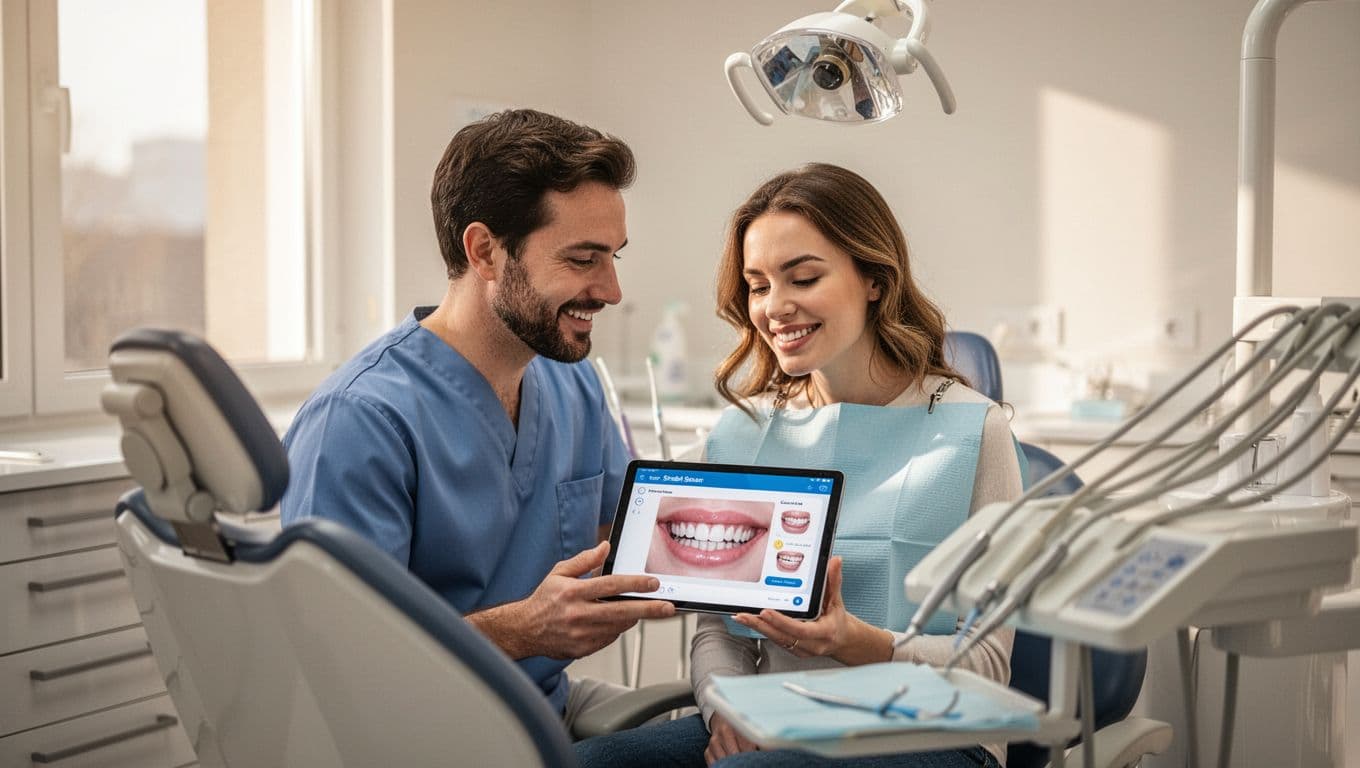
Many dental offices now use photos and digital scans to help patients see their teeth clearly. That makes planning easier because you are not guessing. You can talk through shape, shade, alignment, and balance with something concrete in front of you.
Some dentists also use simple mockups or before-and-after examples to show what may be possible. The goal is not to make every smile look the same. The goal is to build a result that fits your features and still looks like you, only healthier and more polished.
Why some smile makeovers are done in steps
Some treatment plans move quickly. Others take time because the mouth needs prep work first. If you have gum issues, decay, broken teeth, or crowding, those problems may come before the cosmetic phase. That is a good sign, not a delay for no reason.
A step-by-step plan can also make treatment more comfortable and easier on your budget. For example, a patient might start with cleaning and repair work, then move to Invisalign, and finish with whitening or bonding. When care is layered in the right order, the result usually looks more natural and feels more stable.
What to expect during treatment and recovery
Most people want to know two things right away: will it hurt, and how long will it take? The honest answer depends on the treatments involved. Whitening may be quick, while implants or orthodontics take longer. Still, modern care is often gentler than people expect.
Comfort options that help nervous patients relax
Dental anxiety is common, and a good office plans for it. Many treatments use local numbing so you stay comfortable during the procedure. For longer visits or more involved care, some patients also ask about sedation options.
Even small things can help a lot. Clear explanations, breaks during treatment, and a calm pace often lower stress. If you have had difficult dental visits in the past, say so early. That gives the team a chance to adjust the visit around your comfort level.
Simple aftercare habits that protect your new smile
Aftercare depends on what you had done, but the basics stay familiar. Brush twice a day, floss daily, and follow the instructions your dentist gives you. If you had whitening, it helps to avoid stain-heavy drinks right after treatment because teeth can be more likely to pick up color.
Bonding, veneers, crowns, and implants also do better with good home care. Use a soft brush, stay gentle around sore areas, and keep follow-up visits if your dentist wants to check healing. Good home care does not only protect the look of your smile. It also protects the health behind it.
How long results may last and what affects them
No dentist can promise one fixed timeline for every person. The life of your results depends on the treatment, your habits, and how well you care for your teeth. Whitening can fade over time. Bonding may stain or chip. Crowns, veneers, and implants can last for years, but they still need maintenance.
Diet plays a role too. So does smoking, teeth grinding, and skipping dental visits. If you chew ice, bite hard objects, or use your teeth like tools, cosmetic work can wear down faster. The small daily choices often shape the long-term result.
How to keep your smile looking good long after treatment
Once your smile makeover is complete, maintenance becomes the real secret. You do not need a complicated routine. You need steady habits that protect both the appearance of your teeth and the health of your mouth.
Regular cleanings and checkups matter more than people think
Routine visits help catch small issues before they become expensive or frustrating. A cleaning removes buildup that brushing misses, and an exam can spot cracks, wear, gum changes, or problems around older dental work.
That matters even more if you have veneers, crowns, implants, or bonding. Cosmetic work still needs regular care. When your dentist tracks small changes over time, it is easier to protect the result and avoid surprise repairs.
Daily habits that protect color, shape, and shine
The basics still do most of the heavy lifting. Brush morning and night, floss every day, and use any special products your dentist recommends. If you grind your teeth, a night guard may protect both natural teeth and cosmetic work from pressure.
It also helps to be smart with food and drinks. Dark coffee, tea, red wine, and tobacco can dull a bright smile over time. Hard candies, popcorn kernels, and chewing ice can damage edges or restorations. Healthy habits may sound simple, but they keep a smile looking better for longer.
Final thoughts
A smile makeover can be small or more involved, but the best ones all follow the same idea. They match your goals, your oral health, and your daily life. When the plan is built well, the result looks natural and feels comfortable to live with.
If you are thinking about improving your smile, start with a conversation, not a guess. A dentist can help you sort out what is cosmetic, what is restorative, and what order makes the most sense.
For readers in Petrolia and nearby communities, Petrolia Dentistry is at 430 Albany St, Petrolia, ON N0N 1R0, Canada. You can call (226) 784-8078, email treatment@petroliadentistry.com, or visit https://petroliadentistry.com/ to talk through your next step.


Comments
Post a Comment